Partner for development and climate action

Profile & Contact

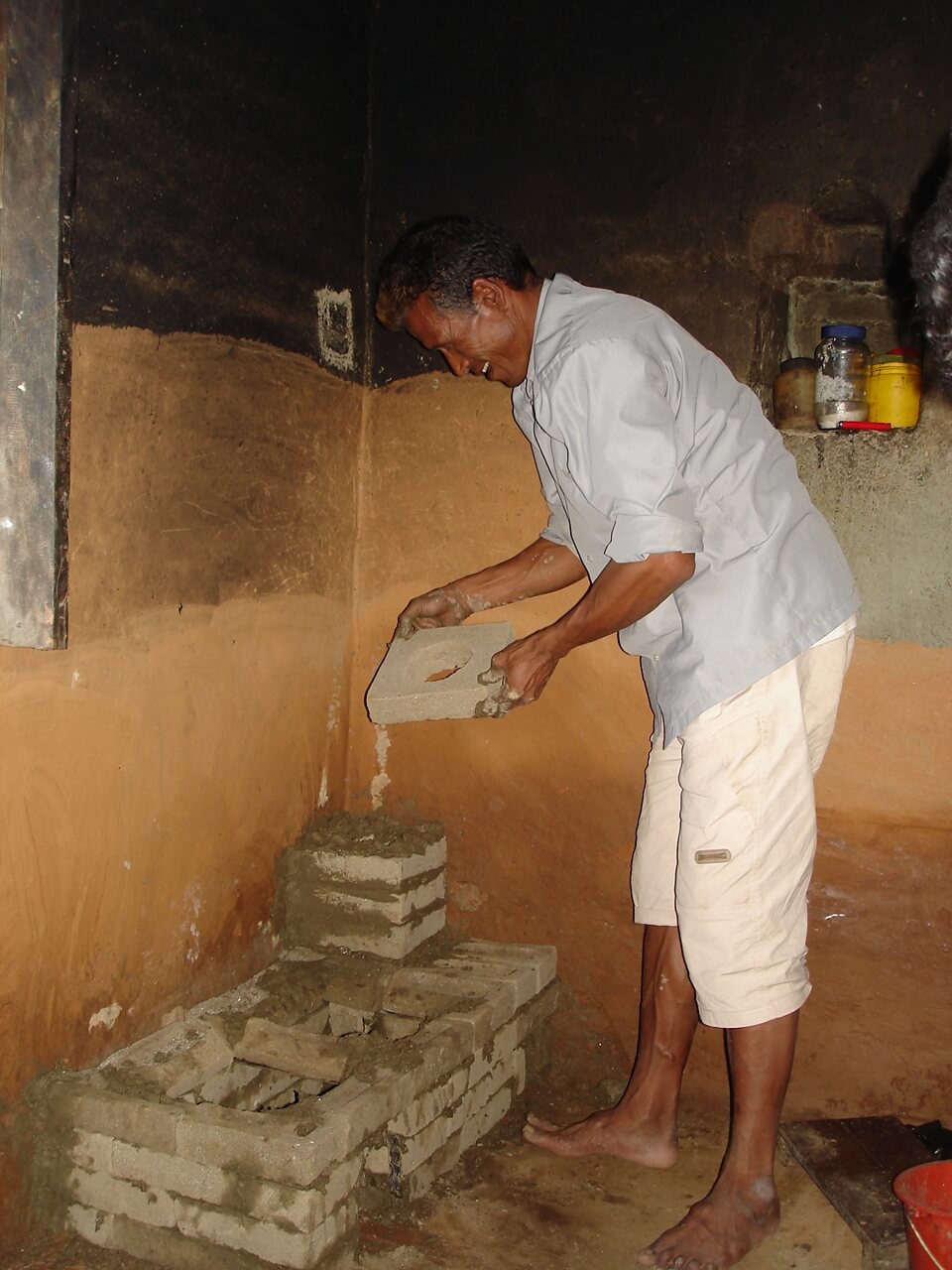
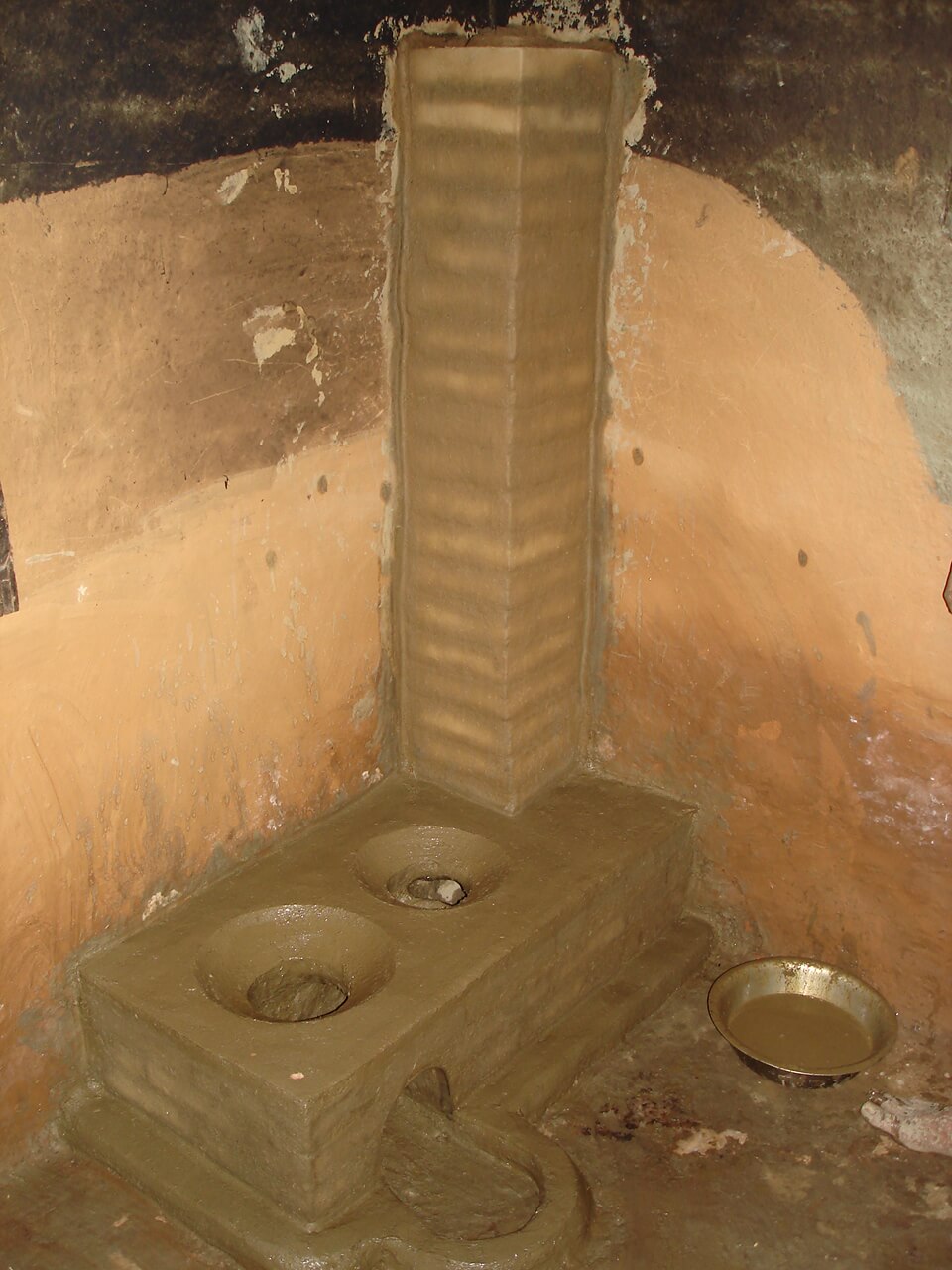
Since 2010, the non-profit organisation Die Ofenmacher e.V. has been pursuing the goal of installing safe stoves with smoke vents in as many rural households as possible in emerging and developing countries. The initial focus was on Nepal, but there are now also projects in Ethiopia and Kenya. A total of almost 106,616 stoves have been built so far (as of April 2021), and because the stoves are 50 percent more efficient than traditional open fires, a saving of over 350,000 tonnes of CO₂ has been achieved. In cooperation with local NGOs, the association organises the training of local stove builders who construct simple stoves with a smoke outlet. The materials for a stove are available locally (clay, sand, chaff, sawdust) or can be easily procured in the country. The technology, which has been adapted to local circumstances, means that most of the added value from the construction of the stoves remains in the country. We offer CO₂ certificates for retiring to supporters of the Development and Climate Alliance. 
Die Ofenmacher e.V.
Euckenstr. 1b
81369 München
Germany
+49 89 80084427

frank.dengler@ofenmacher.org

Photo credits: Die Ofenmacher

Specifications

Project countries and regions:
Project sectors:
Co-benefits/Contribution to the Sustainable Development Goals (SDGs):
Target group:
Employed project standards:
Legal form:
Portfolio:
Own climate protection projects:
Offers and services:
Specific features:

PROJECT EXAMPLE

Smoke-free kitchen stoves in Nepal

Project background
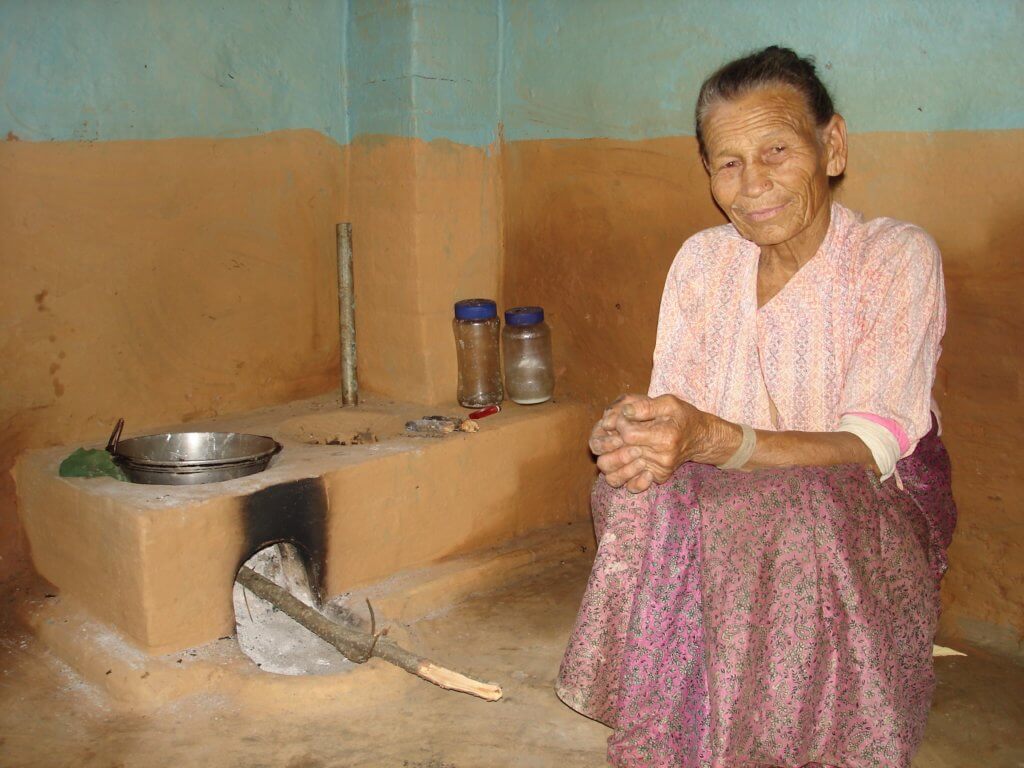
In rural households in Nepal, open fires are still predominantly used indoors for cooking and heating. The local construction method does not provide for a chimney and the smoke is therefore released directly into living spaces, resulting in considerable health risks for all household members, especially women and children. The World Health Organisation (WHO) estimates that around 4.3 million people worldwide die every year as a result of smoke fumes. The method of cooking over an open fire utilises the energy content of firewood very inadequately. Open fires therefore require more firewood than the more efficient stoves and, in comparison, lead to more pressure on forested areas and consequently greater CO2 emissions. In addition to the well-known environmental problems, this often means that women and children (who are traditionally responsible for collecting wood) have to travel ever greater distances. Sustainable social development can only succeed if women and children are relieved of repetitive everyday tasks in favour of self-determined activities and education.
Country/Region
Nepal/Kavrepalanchok, Ramechhap and Dolakha Districts
Technology
Smoke-free kitchen stoves
Standard
GS4GG
Status and duration
Project launch in September 2012, duration until 2025
Target group
Households in rural districts
Effect achieved
A total of around 200 stove builders have been trained in Nepal to date. Almost 10,000 stoves had been built in the project area by the time of the earthquake in April/May 2015. More than half of the stoves were destroyed in the earthquake. As of April 2021, over 10,000 usable stoves are now available again thanks to new installations. So far, VER certificates have been credited for the proven saving of 15,523 tonnes of CO2.
Co-benefits achieved
Avoidance of smoke-related illnesses and accidents around open fires, around 50 per cent less wood consumption and therefore less work for women and children, creation of jobs as stove builders.
Local cooperation partners
The NGO Swastha Chulo Nepal has been an important local cooperation partner since 2011. It coordinates the stove building activities, the training of the stove builders and the monitoring of the stoves.
Link to further project examples
Photo credits: Die Ofenmacher
Is our information helpful to you?

On our website, we offer you well-founded and carefully checked content for your sustainability strategy free of charge.

This is only possible in the long term with your donation.